The fatal future of copying
The Fatal Future of Copying
Everything is a copy of a copy of a copy. The question is when that becomes a problem.
This was the master thesis at HDK Göteborg. The title sounds dramatic. It is not meant to be. Fatal here means momentous, not catastrophic. The point was to look clearly at something the design industry mostly ignores until it personally affects them.
The project started with a simple question: how do people react when you scan their products in front of them? With a hidden camera, a 3D scanning app called Qlone, and a bag that was built specifically to carry the scanning mat wherever I went, I walked into design stores in Gothenburg and New York and told people exactly what I was doing. Five out of five stores let me. Nobody stopped me in New York either. The conclusion was not that people are careless. It is that most people simply have no framework for thinking about this yet.
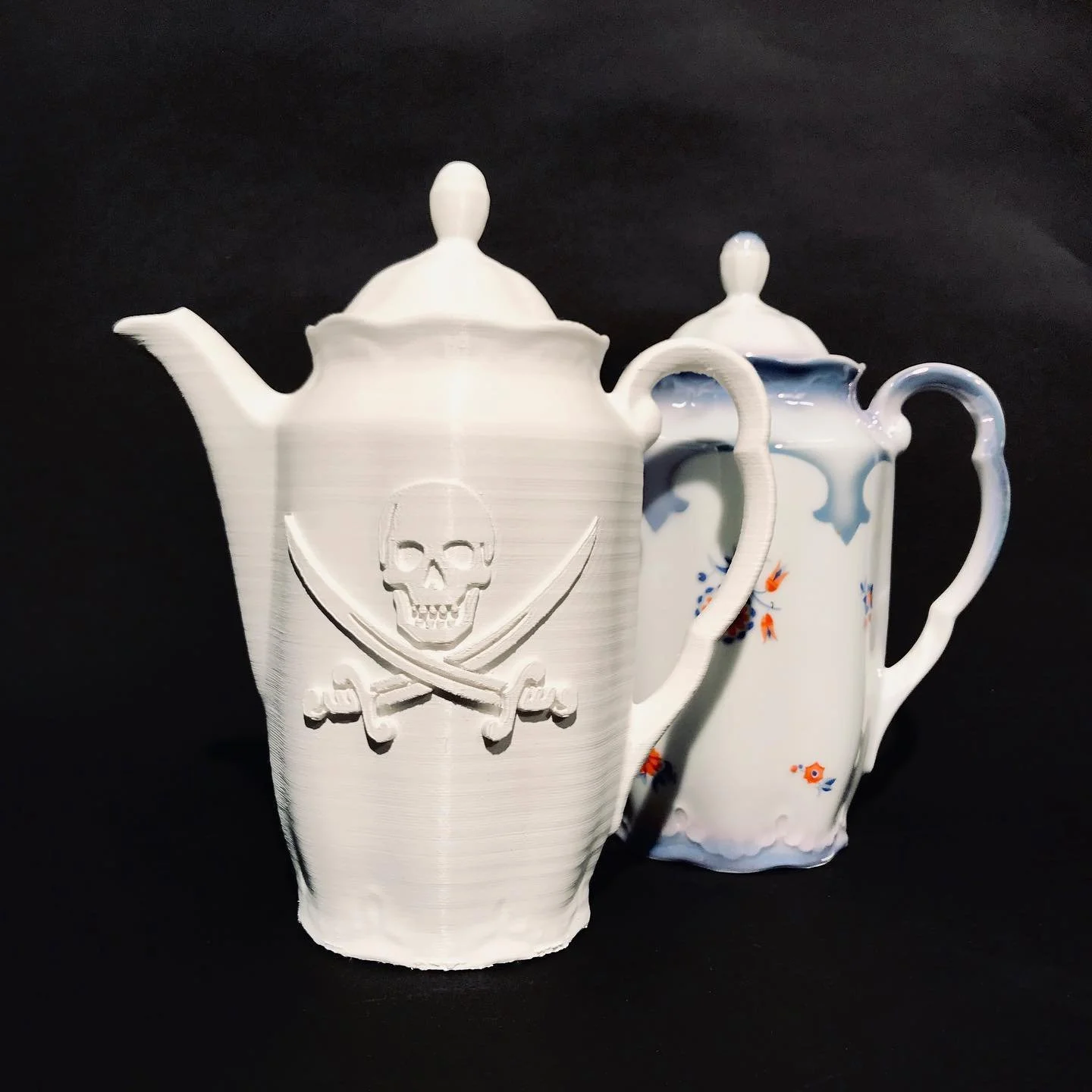
The 3D printed objects, a cactus that took 35 hours to print, a broken Ikea cup reassembled with printed parts, a fake ring printed next to its original, all ask the same thing: what is the value of an object when reproduction becomes effortless?
The thesis did not take a side. That was a deliberate choice. Copying is how we learn. It is also how industries collapse and how students get stolen from. Both things are true, and the conversation needs to happen before it is too late to have it.
Full thesis available upon request.
Qlone Bag
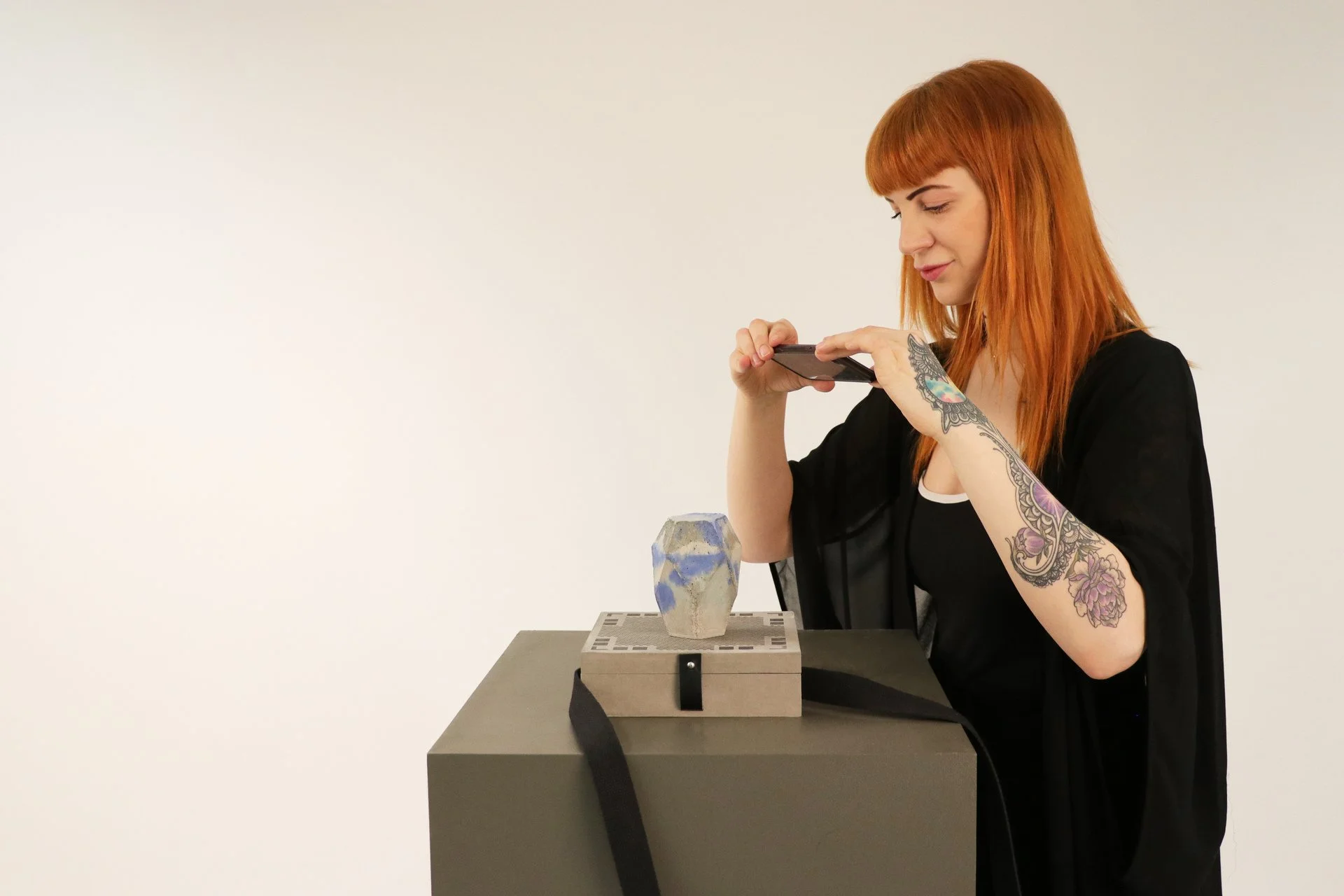
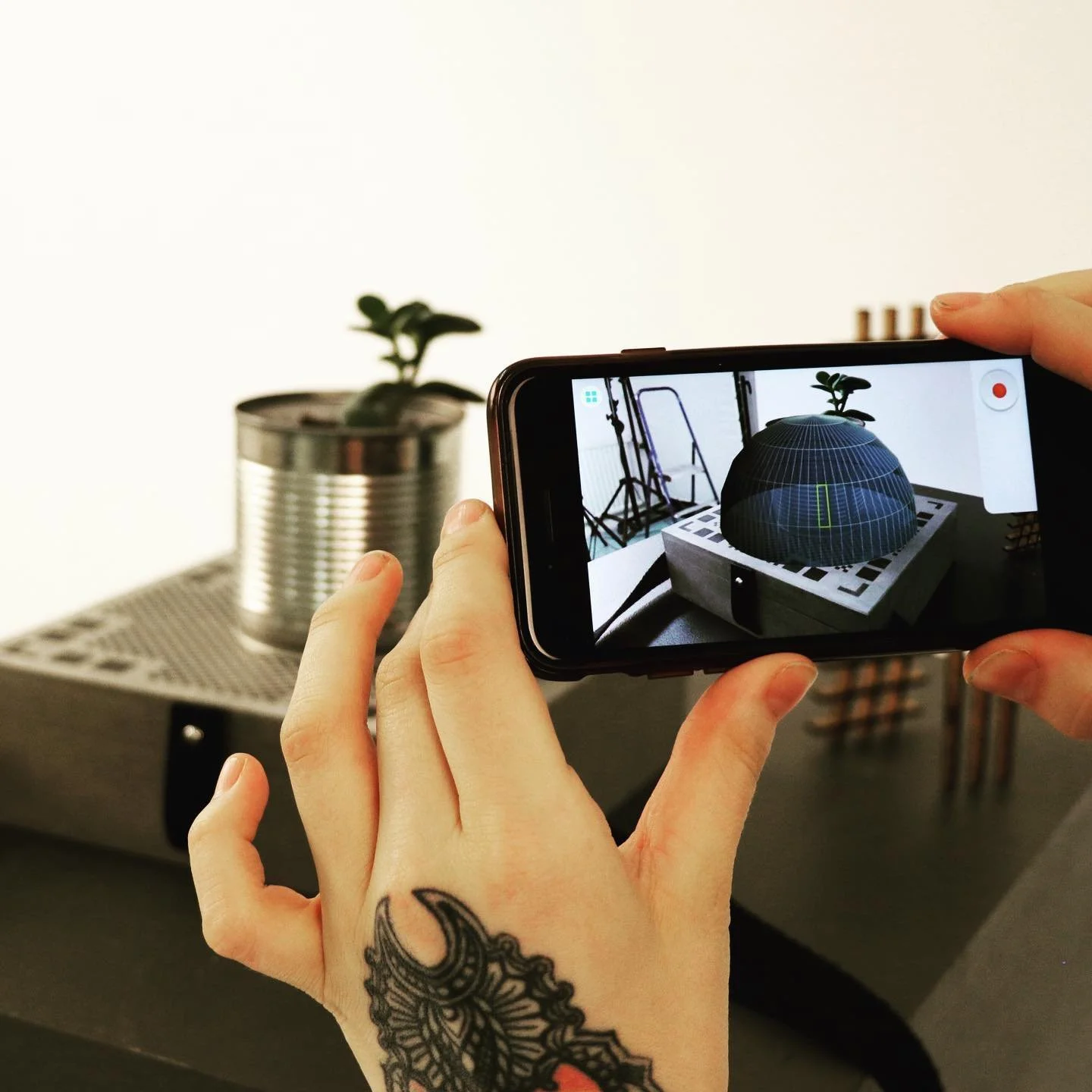
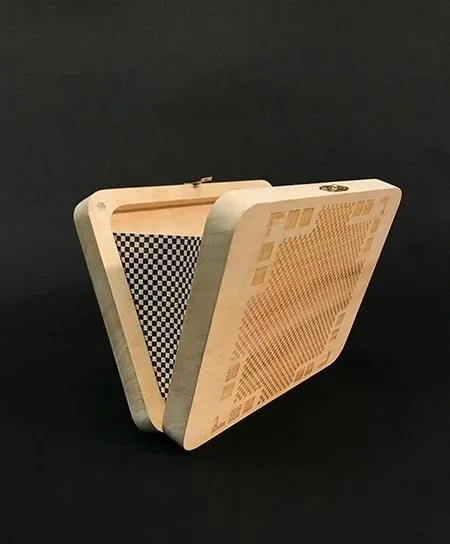
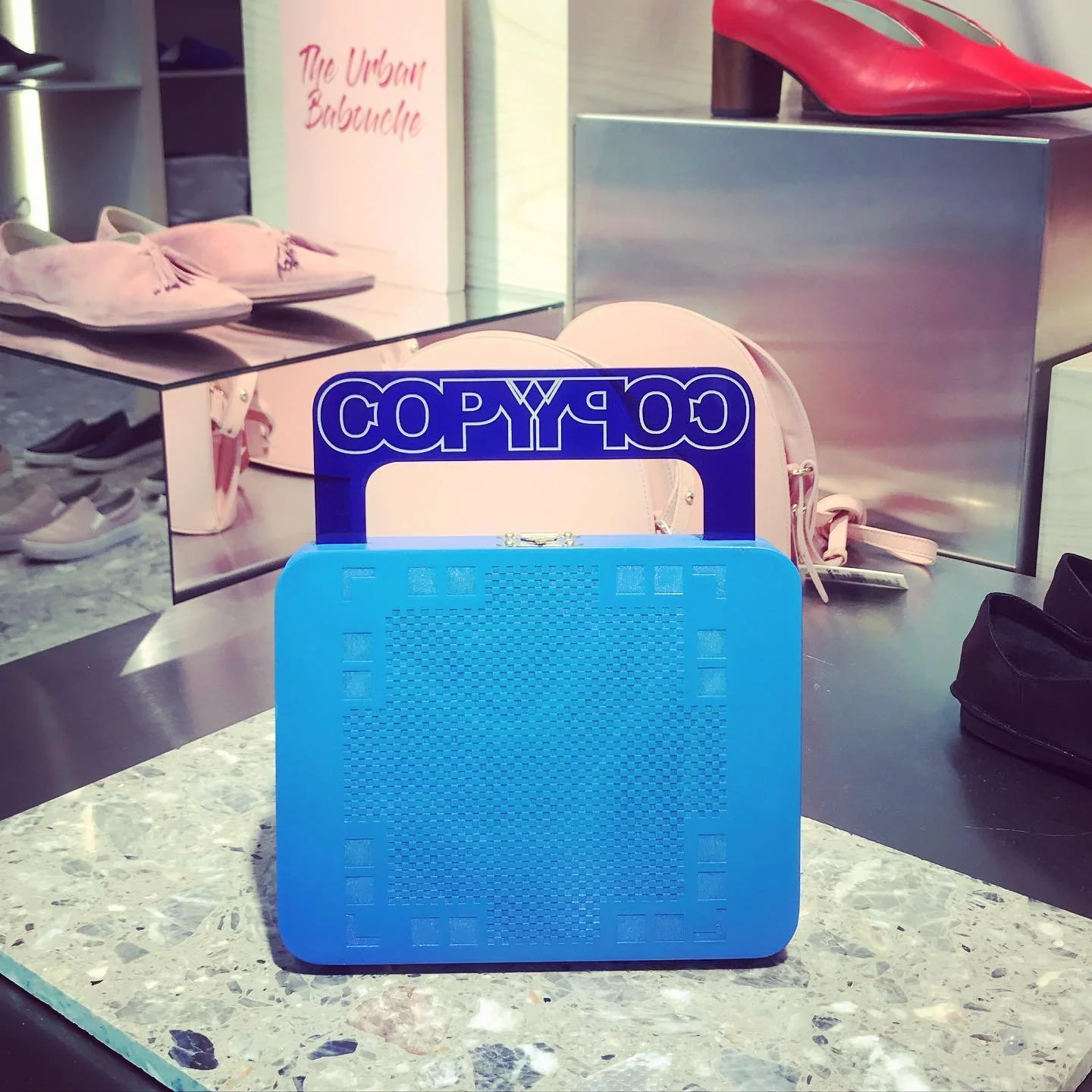
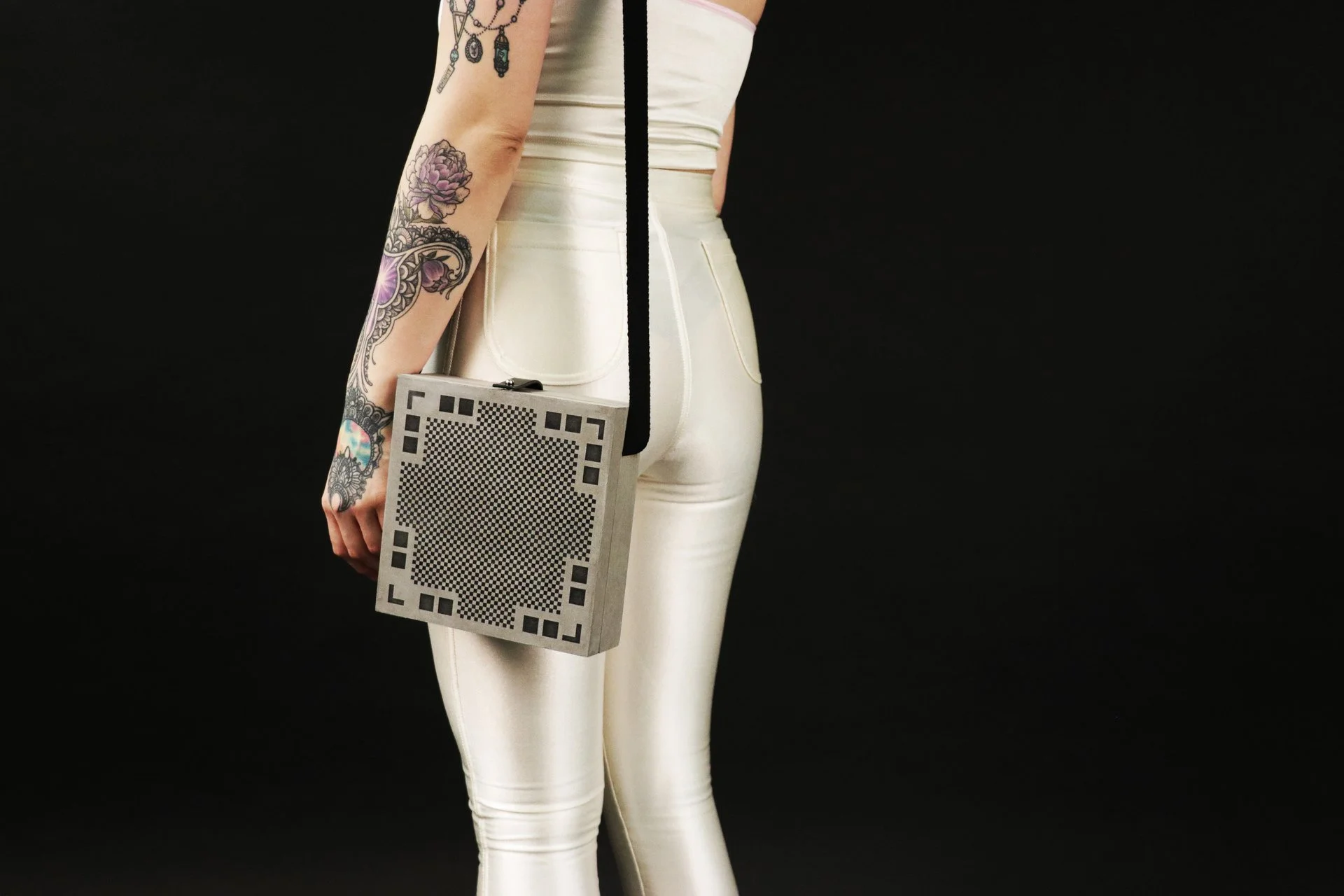
The bag is built around one of the first 3D scanning apps ever made for iPhone. Place any object on the printed pattern, hold your phone over it, and the app builds a 3D scan in minutes. The bag carries the pattern on its surface so you never need an extra mat. Scan anything, anywhere, and print at home.
3D Prints
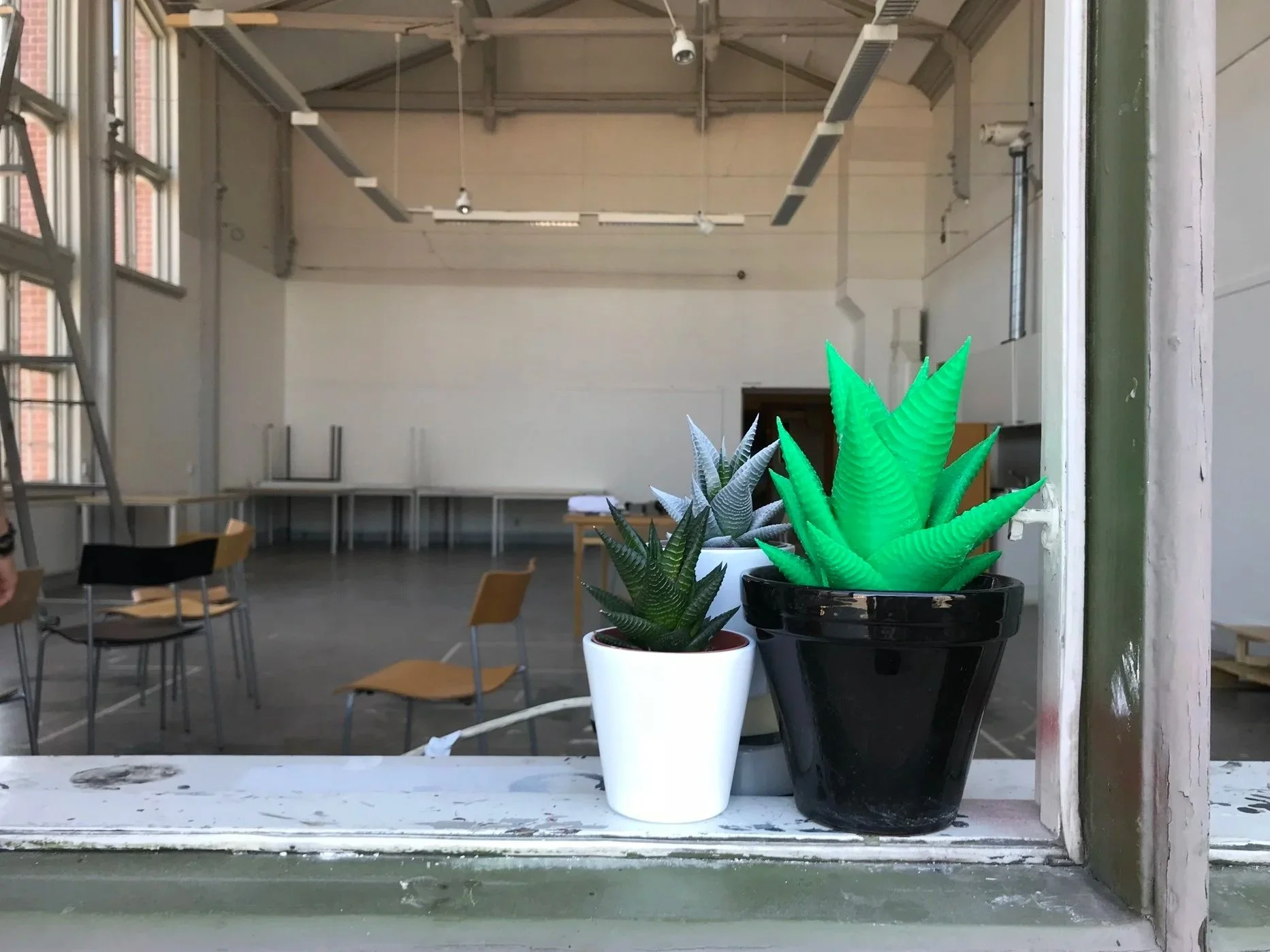
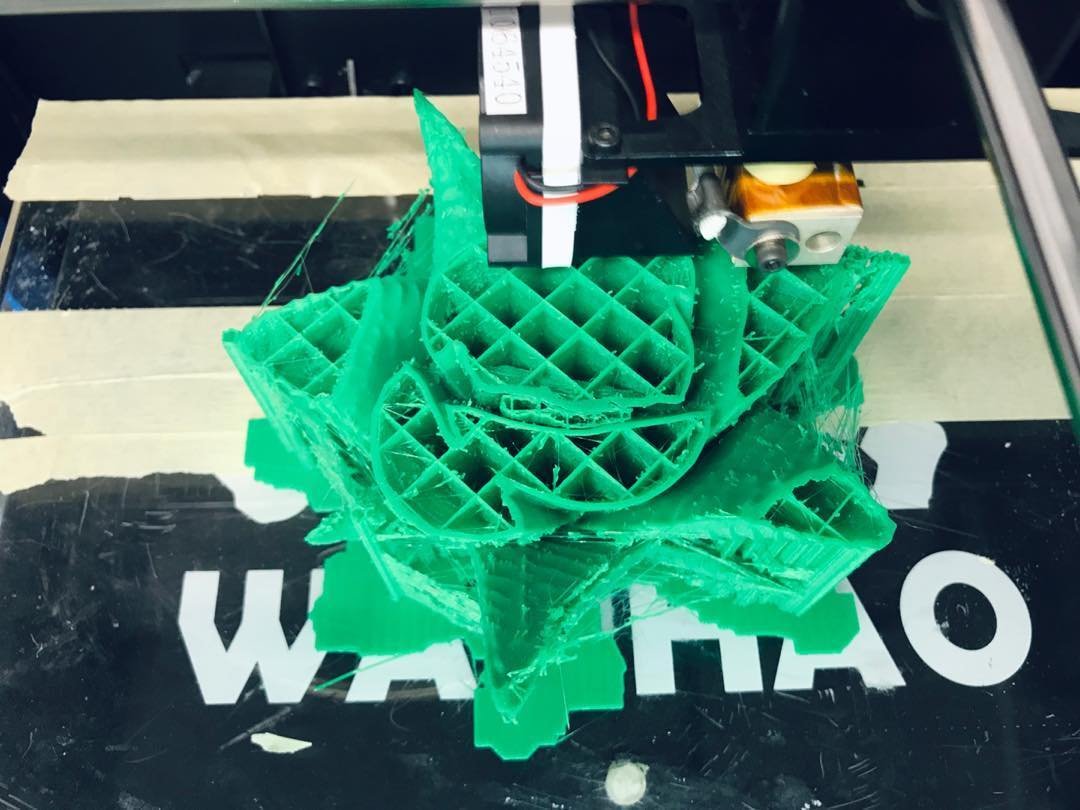
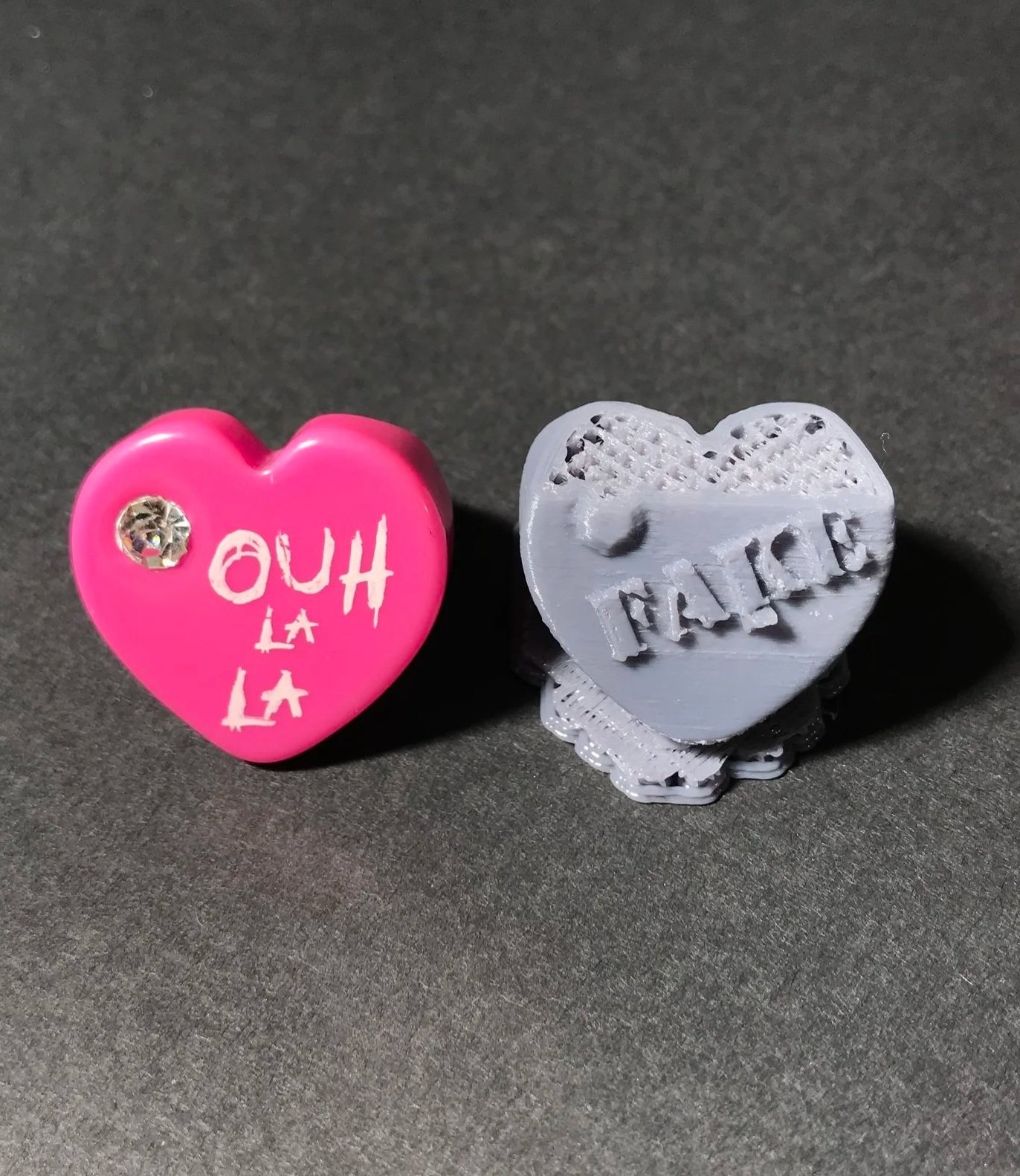
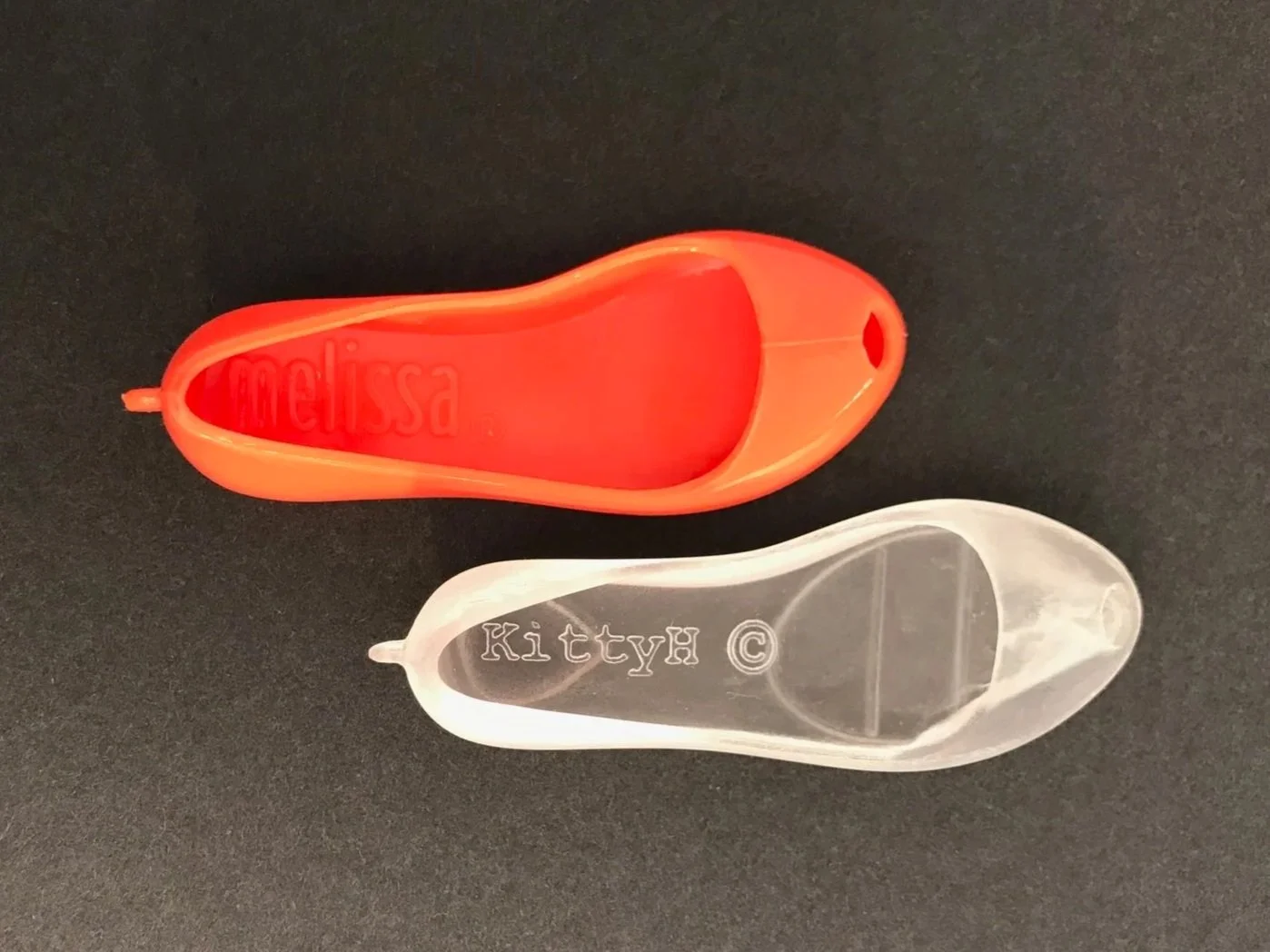
Every single place I walked into told me I would not be able to copy their products. The cactus took 35 hours to print. The broken cup was scanned, printed, and fit back together perfectly. The shoes belong to a brand you will recognise from the New York video. They use injection molding and told me in store that reproduction was impossible. I removed their logo and added mine. If you try to photocopy a banknote, the printer detects tiny yellow rings in the print and refuses. 3D printers have no equivalent. No database, no refusal, no limit. Not even for guns.
Rietveld Bench
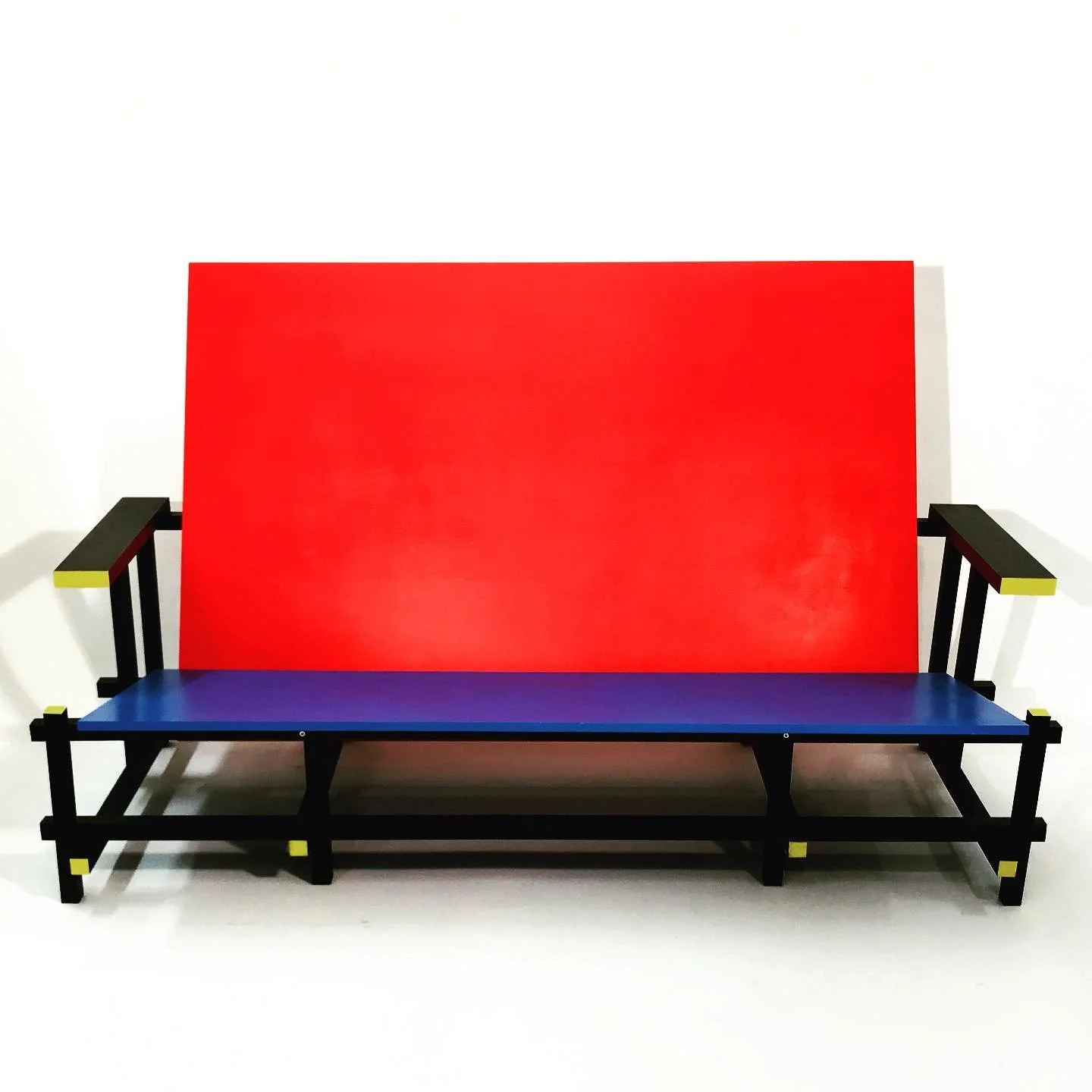
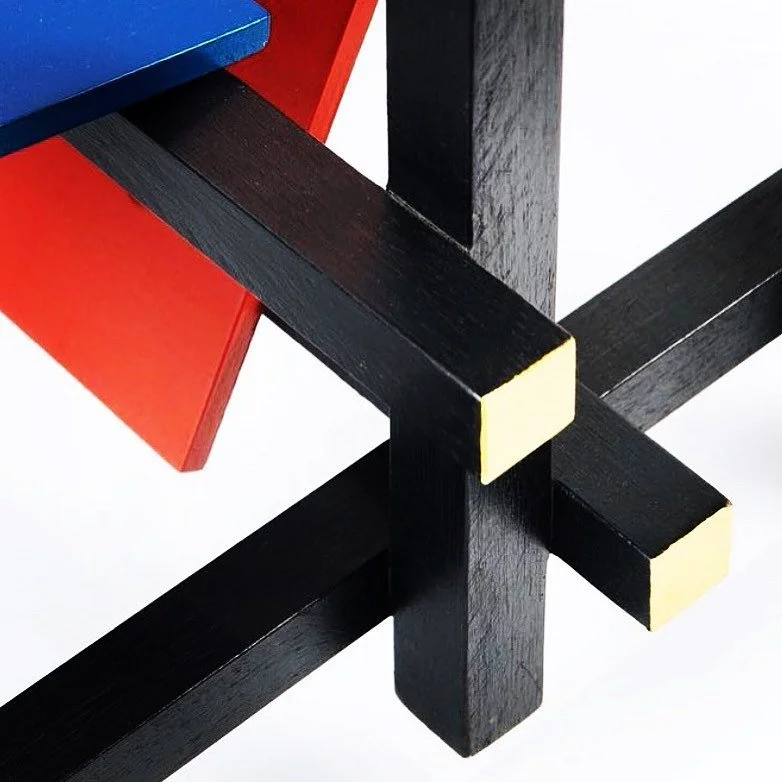
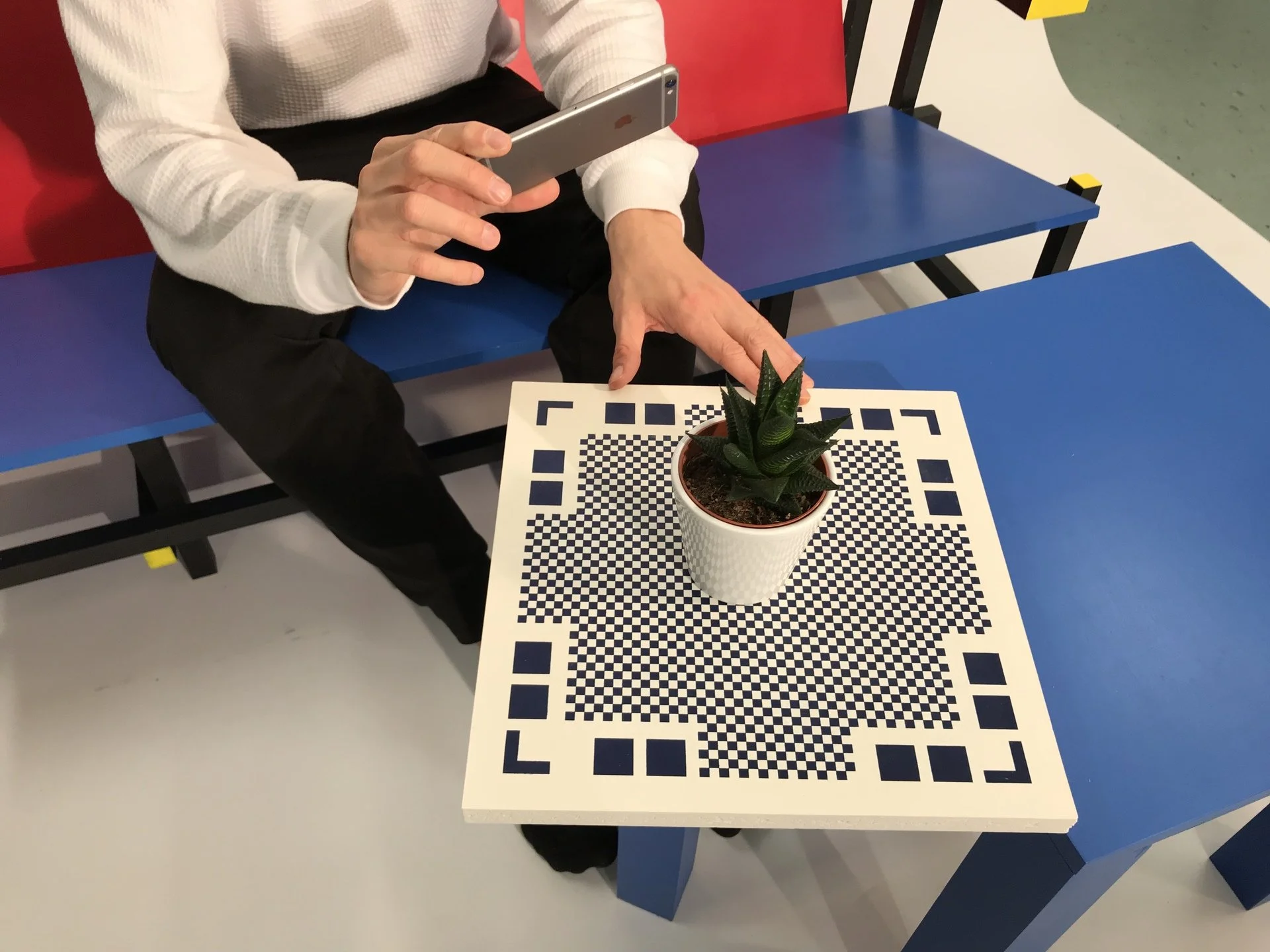
Rietveld is a personal hero. The red-blue chair was designed in 1918 and he never patented it. He gave the plans away. The bench is a variation, scaled for two people facing each other. The table next to it carries the Qlone pattern on a rotating surface so you can scan objects without standing up. The idea was simple: sit on a copy, talk about copying, and copy something while you do it.
These were among the pieces shown at the exhibition at Gathenhielmska Huset, Gothenburg, 2018.